

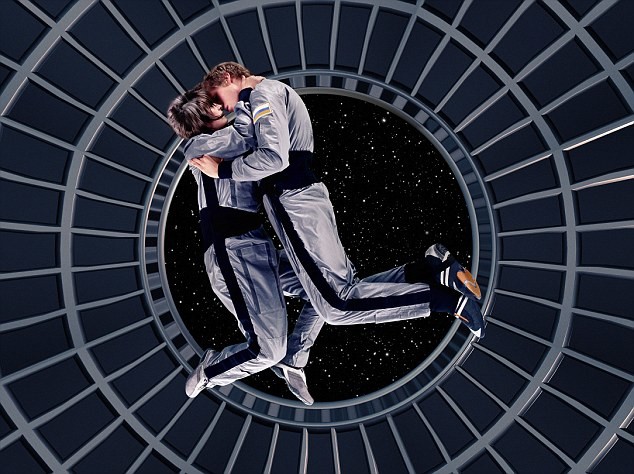

My #sinrecato curiosity led me to wonder: can astronauts have sex in space? So I did some research and found some very interesting facts; it’s likely that, in the not too distant future, space travel for tourists will become more affordable and some may be able to fulfill their out-of-this-world fantasies because of it.
The matter of sexuality in space has always been handled with discretion, and the main reason why astronauts are prohibited from having sex is because NASA believes that team dynamics would be affected.
On the other hand, some experts believe the opposite is true, saying that sexual activity could improve the mental health of astronauts and the well-being of future space inhabitants.
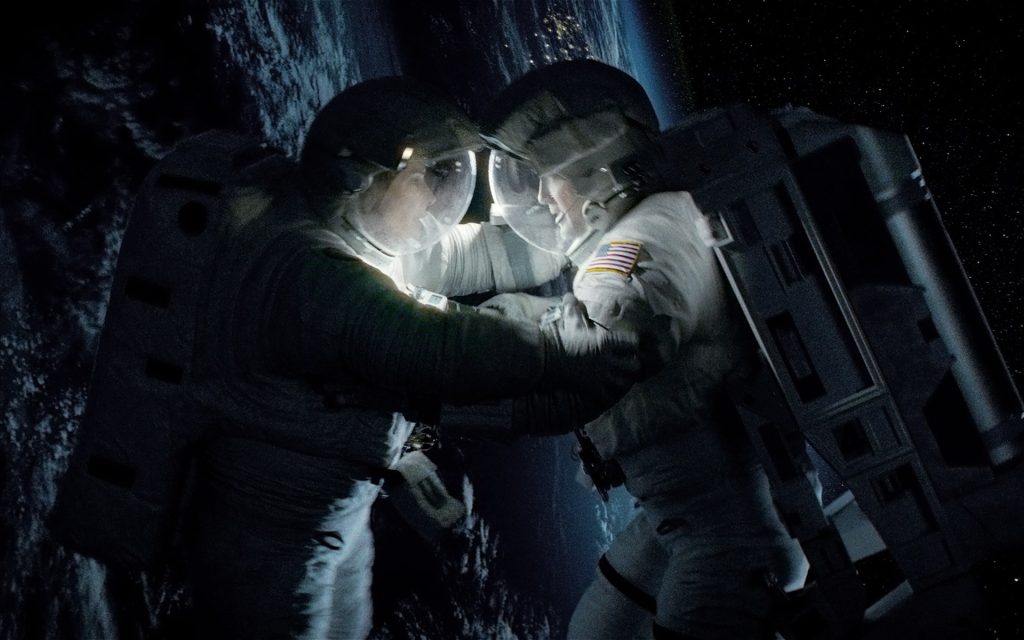
The US space agency NASA, the European agency ESA, and the Russian agency Roscosmos don’t prohibit sex in space officially, but there is an implicit recommendation among astronauts that sexual relations are not advisable.
Sex remains taboo here on Earth and beyond, to the point that NASA claims that no human being has ever had sex in space, justifying this by saying that it would lead to interpersonal conflicts and even influence hierarchies.
However, for research purposes, there are some references to sexual relations among animals such as rodents, amphibians, and insects in order to study the impacts of radiation and gravity on animal reproduction.
A group of international researchers, who support allowing space sex, endorse the idea that it’s a way to adapt to the environment in space and a way to promote a future where populating other planets becomes a reality.
These researchers published a scientific article in 2021 in The Journal of Sex Research entitled: “The Case for Space Sexology”, which proposes that all programs adopt a new discipline called space sexology.
The proposal is that this new area of knowledge discusses the risks and benefits of all forms of sexual or intimate expression outside Earth. The main objective would be to establish a research framework based on three dimensions: biological, psychological, and social.
The researchers explain that space exploration is necessary because astronauts have emotional needs and because sex and love are part of human well-being and enjoyment.
The authors emphasize that space sexology could have a positive impact on some conflicts that have persisted in both science and the military, such as sexism, discrimination, gender violence, and sexual harassment. By understanding both points of view, we could draw some conclusions on the subject.
The thing is to go beyond whether it’s right or wrong, or whether conflicts may arise, or whether it’s good for mental health. The issue is in finding out whether it’s physically possible to have sex in space or not.
In this regard, NASA also has a lot to say. Many physiological and environmental factors that affect the human body in microgravity come into play, and these are some of the reasons why having sex in space would not only be extremely difficult, but impossible:
Zero gravity: The human body needs gravity for blood to flow to the genitals, which allows for sexual arousal. This translates into erections in men and increased clitoral size and lubrication in women.
Remember that gravity in space is zero, hence, blood circulation in the genitals is extremely difficult. In addition, according to a NASA report, blood accumulates in the head and chest, causing facial swelling and bulging veins in the neck.
Low sex drive: According to NASA research, testosterone, the hormone responsible for maintaining a 100% sex drive, decreases significantly during space flights.
The reduction in hormone levels affects astronauts’ libido and, of course, decreases their desire to have sex.

Low oxytocin: Also known as the love hormone, oxytocin is affected in space. As a result, sexual attraction and infatuation decrease and, therefore, sexual desire is zero.
Extreme fatigue: Microgravity causes a loss of muscle mass, endurance, and cardiovascular deterioration because the body doesn’t need to exert itself to move. Under these physical conditions, sexual intercourse would be exhausting, especially in space where greater energy expenditure is required.
Uncomfortable fluids: Sweat, semen, or vaginal fluids can behave unpredictably in space, either floating in the environment, causing uncomfortable situations, or behaving in other ways unexplored by humans.
While I want to believe NASA’s reasonable and justified arguments, I can’t help but keep asking the question: if they have conducted research with other species for the sake of science, why not take a risk and go further with humans?
Perhaps the body behaves differently under those conditions, but all those variables could also be used to benefit humanity. I believe that sex in space may be uncomfortable, but not impossible as NASA wants to portray it; they know more than they want us to believe.
Traducción del español: Catalina Oviedo Brugés