

Sin Recato is a space to educate, entertain, and communicate with men and women on topics related to sexuality, relationships, and mental health from childhood to adulthood. Today, we want to continue with our goal of educating by raising social awareness, especially when brutal crimes against women are committed.
That’s why, as part of the commemoration of Women’s Day, which takes place on March 8 but has gradually expanded to cover the entire month, we will share some cases of women who were murdered or attacked for no reason, so that these horror stories are not repeated and serve as opportunities for reflection.
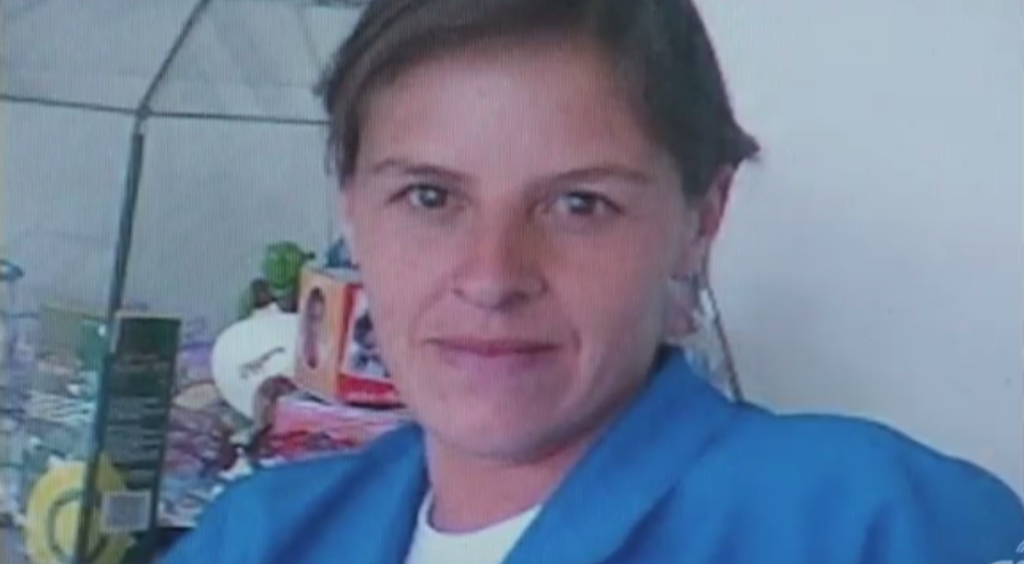
On May 24, 2012, Rosa Elvira Cely, a 35-year-old candy seller, was attacked, raped, and tortured in Enrique Olaya Herrera National Park in Bogotá. The victim died four days after the incident due to injuries that caused peritonitis as a result of improper care in the urgent care she was taken to and cardiorespiratory arrest as a result of the attack.
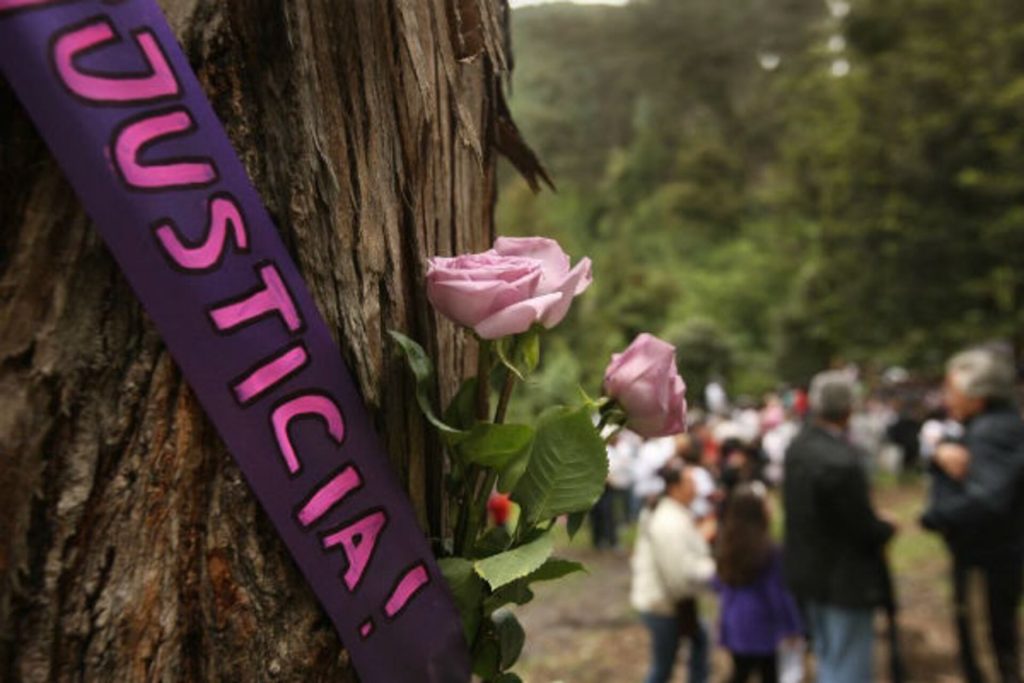
This crime revealed serious flaws in Bogotá’s emergency and women’s protection systems.
Rosa Elvira was the mother of a 12-year-old girl. She worked during the day and studied at night to graduate from high school. On the night of May 24, after class, she went out with two classmates, Mauricio Ariza and Javier Velasco.
In the early hours of the morning, Velasco offered to take Rosa Elvira home on his motorcycle. At some point during the trip, Velasco took a detour and they arrived at a wooded area of the park, where he first attacked her with his motorcycle helmet.
Subsequent reports confirmed that Velasco inserted a tree branch into the victim’s genital area, destroying her uterus and fallopian tubes. He then strangled her and stabbed her in the back.
After the attack, Velasco fled, believing her to be dead, but at 4:47 a.m., Rosa Elvira called the Bogotá emergency line and said she had been raped, indicating her location and desperately asking for help. Initially, there was skepticism about the call; however, police and firefighters went to the scene.
After an hour, they arrived and found Rosa Elvira conscious and half-naked, showing signs of hypothermia, lying in a pool of blood, badly injured. While receiving first aid, she recounted the events to the police.
Despite being close to several hospitals, the victim was taken to one located in the south of the city at around 7:52 a.m. This decision was later harshly criticized because if she had been treated in time, she might still be alive today.
Even with the severity of her injuries, Rosa Elvira was left on a stretcher and then sat in a chair for over an hour. The victim asked to go to the bathroom and there suffered cardiorespiratory arrest. After this, she was sedated and intubated, remaining unconscious and never waking up again.
Rosa Elvira mentioned the names of Javier Velasco Valenzuela and Mauricio Ariza to the police. Ariza turned himself in voluntarily and denied having been involved in the crime, which allowed him to be released because he stated that after drinking several beers with Rosa Elvira and Velasco, he went to sleep. Javier Velasco remained the sole suspect in the attack.
On June 2, 2012, Velasco was captured and imprisoned in the Modelo prison in Bogotá while the investigation continued. On September 26, the trial against Velasco began, where around 150 pieces of evidence were presented against him for rape and murder.
It wasn’t the first time this criminal had killed a woman. In 2003, he was sentenced to 19 months in prison for killing Dismila Ochoa Ibañez, and he had an outstanding arrest warrant for sexually abusing his two minor daughters in 2007.
How could a man with such a criminal record remain free? That’s the question I ask myself, and it sparked further outrage among Colombian society. Where were the national and district governments at that time to take corrective measures against this recidivism?
At the end of 2012, Velasco was sentenced to 48 years in prison and fined 853,325 Colombian minimum monthly wages after he admitted to raping, torturing, and murdering Rosa Elvira Cely. Today, he is serving his sentence in La Picota Prison in Bogotá.
In 2014, Rosa’s family filed a lawsuit against the National Police, the Attorney General’s Office, and the Bogotá Health and Government Secretariats, arguing that all of these institutions had been negligent and could have prevented the crime.
In 2016, during the legal proceedings, the newspaper ‘El Espectador’ revealed a statement issued by the Legal Office of the Bogotá Government Secretariat. The document stated: “Rosa Elvira put her integrity and life at risk, to the point that Javier Velasco took her life, and if she had not gone out with her classmates after night classes, we would not be mourning her death today”.
The revictimizing tone of the document sparked strong public outrage at the attempt to blame the victim of such a heinous crime. The Government Secretariat and the Mayor’s Office of Bogotá apologized, acknowledging the error and condemning any attitude that perpetuated revictimization.
On August 2, 2023, the court ruled in favor of the Cely family, finding the defendants liable. The ruling condemned these institutions for their poor performance and ordered them to compensate the family with 1.3 billion Colombian pesos.
Neither money, nor apologies, nor tributes or protest marches will bring Rosa Elvira Cely back to life.
However, her family’s efforts to highlight the failures in the care and protection of victims of gender-based violence in Colombia succeeded in classifying femicide as a crime in the country.
Thanks to the previous work of women’s movements and bipartisan support, Congress passed Law 1761 in 2015, known as the Rosa Elvira Cely Law.
Adriana Cely, Rosa Elvira’s sister, leads a movement that seeks to raise awareness around gender-based violence in Bogotá and Colombia and reaffirmed the need to implement more effective measures to prevent these crimes from happening and ensure justice in similar cases.
In 2025 in Colombia, 501 women were murdered for gender-based reasons. Impunity remains the dominant factor, and this is reflected in the fact that, according to Red Nacional de Mujeres [tr: National Women’s Network], 78% of these crimes are not resolved in court.
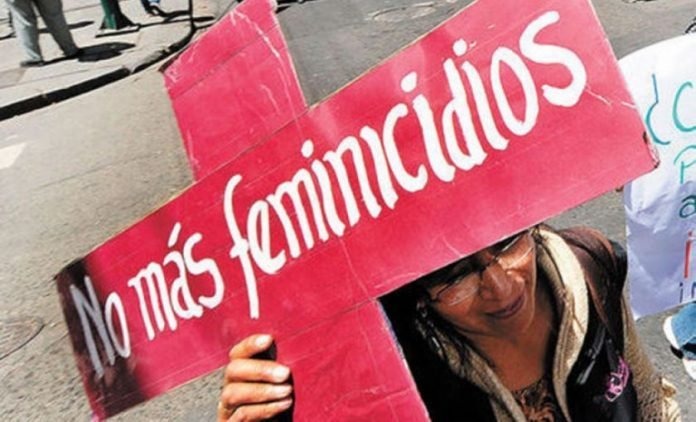
There may be laws and severe punishments, but it’s necessary to educate our children, young boys, and even men to break the cycle of violence, indifference, and lack of empathy towards women once and for all. They must begin to see us with respect and treat us with the humanity we deserve. May each Women’s Month bring us closer to this goal, and may these conversations continue throughout the year so that there are no more femicides and gender-based crimes in our country or in the rest of the world.
Traducción del español: Catalina Oviedo Brugés