


I grew up surrounded by a powerful matriarchy, both on my mother’s and father’s side, with my grandmothers, my aunts, my cousins, my mother, my sister, and now in my home. Currently, we are still the majority (my daughters and I vs. my husband), although I see it more as a 3 + 1 than a 3 against 1.
Even before we are born, men and women are labeled; if you are a boy, your clothes are blue, and if you are a girl, they are pink. I’m the blue girl; I’m not so pink, and clearly that doesn’t make me any less of a woman.
And although I believe in equality and women’s rights, the reality is very different, to the point that being a woman is more expensive than being a man in every way, and I’m not the one saying it; many studies and even economics and society confirm it.
As U.S. American economist and suffragist Charlotte Perkins Gilman rightly said in 1898: “Human beings are the only species that has created an economic system in which women depend on men for survival”.
Charlotte was a visionary, and she wasn’t wrong, because today, in 2026, women continue to earn less than men and face an economic system that overcharges us simply because of our gender.
According to UN Women, the global gender pay gap is 20%, which means that, on average, women workers earn only 80% of what men earn. This inequality-based reality exists in most professions and industries, and even more so when women decide to become mothers.
Celeste Kauffman, U.S. American human rights lawyer, has her opinion: “On one hand, the economic system does not recognize or value unpaid care work; on the other hand, when (women) do participate in the labor market, they face wage discrimination, occupational segregation, and barriers to accessing leadership positions”, the expert concluded.
That’s why today we will tell you #sinrecato how being a woman is not so rosy:
Pink tax: According to a study conducted by the NYC Department of Consumer Affairs (DCA) on price bias against women in the market, if a product is pink, it’s more expensive. This is called the “pink tax”, which basically means that everyday items such as razors, clothing, accessories, and household products are 7% more expensive than others.
Late diagnoses: In Latin America, women pay 18% more than men in medical expenses, according to the World Economic Forum and Deloitte Health Equity Institute. Late diagnoses are partly due to limited medical research, which has focused on studying women with a priority on sexual and reproductive issues.
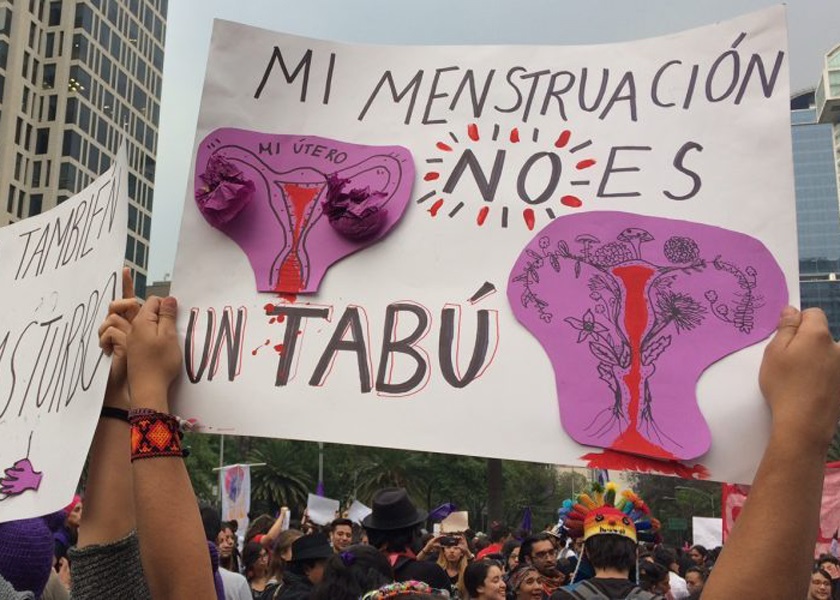
Menstruation: Less than half of countries have tax-free or reduced rates on menstrual products. In Colombia, this tax was eliminated because 11.4% of girls, teenagers, and women reported having financial difficulties accessing sanitary pads.
On average, a menstruating person who uses sanitary pads, which are the most affordable option, can spend around 200,000 pesos per year. If this calculation is projected to the total number of girls and women who menstruate in the country, according to DANE, it adds up to 14,254,178 pesos, which means that the combined expenditure exceeds 2 trillion Colombian pesos per year.
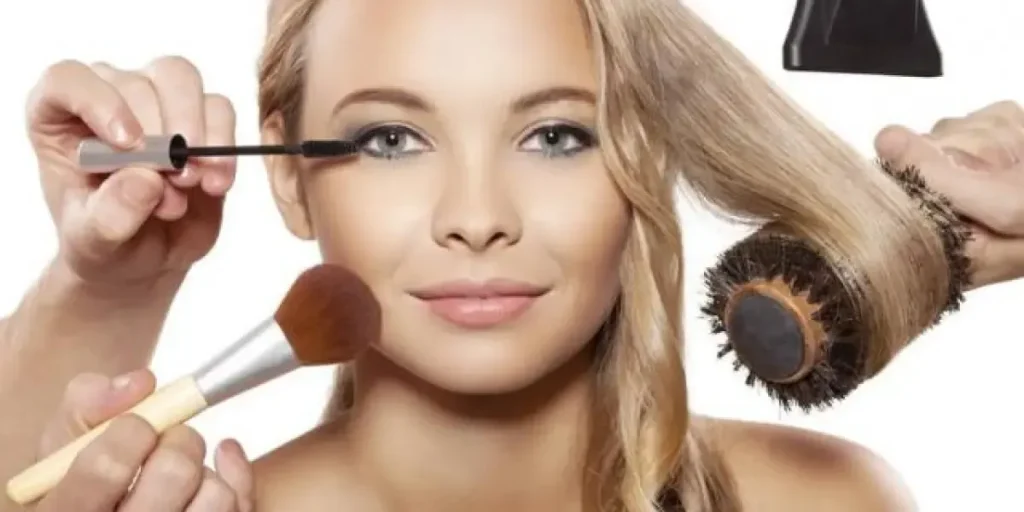
Expectation vs. Reality: In a study conducted by the Universities of California and Chicago in the United States, data from 14,000 people was analyzed and it was found that women who meet socially created beauty standards are more successful in their careers and earn up to 20% more than those who don’t fit in that box.
In the case of women, this wage gap is related to what they invest in their image, such as plastic surgery, cosmetic procedures, gym memberships, makeup, manicures and pedicures, clothing, hair treatments (dye, extensions), etc., while for men, appearance is not linked to their income.
Safe mobility: According to a UN Women report, 62% of women and girls ride taxis as their primary means of transportation at least once a month to avoid dangerous situations, which increases their expenses.
For many women, using public transportation, walking, or returning home at night isn’t just a routine, but an investment in their safety.
Unpaid work: Another UN Women statistic highlights that every day, women around the world devote around 16 billion hours to caring for their families, i.e., unpaid work.
By doing this, they reduce their participation in the workforce, their professional training, and have no guaranteed rest. Around 708 million women are outside the labor market because they sometimes had no choice or poverty chose them.
For economic gurus, women represent just over half of the population in Colombia, 51%; however, their contribution is less than half of economic activity due to limited job opportunities.
The country continues to squander the gender bonus that comes with having women, especially those workers who are more qualified. Here, the economy loses out by not receiving the benefit of this contribution, and trained professionals aren’t taken into account.
From childhood, women grow up with the message that their value as individuals is associated with an almost unachievable beauty standard. This adds up to the pressure they experience on a daily basis because they aren’t allowed to age, change their weight or because they don’t meet the unattainable standards wrongfully created by a society that demands a selective perfection.
The first step will always be to raise awareness, but the most important thing is to take action to prevent these patterns from repeating themselves in our society, during both Women’s Day and every other day of the year.
Traducción del español: Catalina Oviedo Brugés