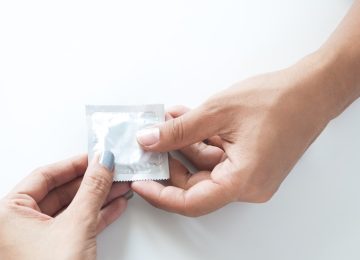



Today we’ll talk #sinrecato about sexual shame, a concept that, along with guilt and pride, is considered a self-conscious emotion (how we see ourselves and how we think others see us).
“Sexual shame arises when a person is making a negative assessment of themselves in relation to other people or certain situations. This self-assessment can occur unconsciously, expressing itself directly through an unpleasant emotion, thought, or belief,” says Spanish psychologist and sexologist Lucía Jiménez.
 This phenomenon refers to situations in which people perceive themselves as embodying everything that’s wrong when it comes to sexuality, for example, that they don’t have the perfect body, that their movements are clumsy, that they aren’t sexy, and so on.
The question is “Why does this emotion arise?”, and experts explain it as the perceived gap between the real self and the ideal self, that is, how I perceive myself and what my expectations are. When we have an idea of what sex should be like, we feel like we’re falling short because we can’t live up to that image, and that’s when other emotions such as discomfort or displeasure arise.
When we have high sexual expectations, shame sets in, because there are certain common ideas about what sexual relations should be like:
High standards of beauty: A “perfect” body is associated with greater access to pleasure. In this case, the reality is that our perception of our own bodies does influence our sexual enjoyment and desire, but not our appearance. If we believe our bodies aren’t attractive, this has a greater impact on our sexual experience.
Right now, social media has taken it upon itself to dictate what bodies should look like and what measurements or weight people should have, without considering health and self-esteem, which should be the main concern.
Aesthetic genitals: Symmetrical vulvas, without visible pores or pubic hair, and large, thick penises. Sexuality has been reduced to a focus on genitalia, and I’m not saying this isn’t important, but there are other aspects that complement these elements, such as trust, sexual chemistry, and empathy, which are more closely related to pleasure.
Step by step: During a sexual encounter, every couple sets their own rules and pace; communication and mutual consent are key. So relax and enjoy yourself. Often, anxiety and nervousness overshadow the moment, after all, we’re imperfect humans, not programmed robots.
Sex education: When sexuality is perceived as something bad, it may be because the person grew up in a strict family and didn’t receive adequate sex education or appropriate information. In these cases, sex is taught to be sinful or dirty, which creates feelings of shame and guilt when the person wants to express themselves sexually.
Pornography: Generally, pornography portrays sex in a distorted way, jumping straight to penetration; it’s simply material intended to arouse adults. Because of this, it’s concerning when minors have access to pornography, as it can lead them to develop an unrealistic view of sexuality.
Sexual shame has consequences, because it inhibits true desires and the spontaneous expression of sexual pleasure. When we listen to the voice of shame, we are attacking who we are and drifting further and further away from what we enjoy sexually, which means we derive less pleasure from any interaction involving sex.
To break out of this pattern and start thriving in relationships, psychologist Jiménez explains how to let go of shame in sex:
The first step is to recognize it and give it a name, for example, if you’ve already noticed that you feel sexual shame when you’re talking with your friends who share their sexual experiences but you don’t, or when you feel embarrassed around your partner because you’re not sure if you’re meeting their expectations.
Self-esteem is the antidote to shame, as you get to know your body and how it reacts, you’ll understand what you want to do or experience, and you’ll also recognize what you wouldn’t do under any circumstances. Open your mind to other realities and seek out other people’s perspectives so you don’t automatically assume something is normal or not.
 Another recommendation from the expert is to have #sinrecato friends in your circle, that is, people who are more open minded than you, so you can exchange different perspectives and ideas that allow you to broaden your experiences.
If at any point you feel embarrassed, share that feeling with your partner, and you’ll realize that they may have gone through something similar, and the two of you can work through it together. However, if there’s no empathy, they may not be the right person for you.
If you have doubts or questions, it’s important to consult a professional psychologist or therapist who can guide you in improving your attitude toward your insecurities. Keep in mind that a sexual encounter isn’t about aesthetics, the body produces fluids, and there are noises and inconveniences that are part of the experience, but that’s what makes it #sinrecato.
Traducción del español: Catalina Oviedo Brugés