

I couldn’t let September go by without doing a special on Love and Friendship, because remember that in Colombia we celebrate this month and not Valentine’s Day in February.
That’s why we’ll share some stories that confirm that love is the greatest feeling there is and that it can overcome any obstacle, no matter how impossible it may seem.
In Shaanxi Province, China, in 2013, Wang Xiao was 24 years old when she received a rather discouraging diagnosis: she had uremia, an end-stage kidney disease. The doctors gave her only one year to live.
 The young woman’s only chance of survival was to find a kidney donor, but, unfortunately, no one in her family was a match, which made the situation increasingly difficult.
Faced with limited options, she tried something unusual: Xiao posted a message in an online support group she belonged to, seeking a man with cancer who would be willing to marry her and, upon his death, donate his kidney to her. In exchange, she promised to care for him and support him throughout his treatment.
The ad read: “I’ll take care of you as best I can after we’re married. Please forgive me; I just want to live.”
That’s how she met Yu Jianpiang, 27, who was suffering from myeloma that had recurred several times. Before his illness, the young man worked as a business manager, but everything changed. In the midst of this difficult situation, Jianpiang lost his mother, and in a desperate attempt to cover the costs of his treatment, his father sold their home. At this point, the patient was surviving thanks to his medication alone.
In July 2013, the couple quietly registered their marriage and agreed to keep their union private.
At first, it was a mutual agreement for survival. However, as they shared their lives and thoughts, love began to blossom between them.
Wang made Yu laugh, and her optimism and enthusiasm began to lift his spirits, they supported each other. Determined to help her husband pay for a bone marrow transplant, Wang began making and selling bouquets of flowers at a street stall.
Strategically, she attached cards to the bouquets telling their story, a detail that caught the attention of many customers and even some local merchants.
Thanks to the sales and some savings she had, Xiao was able to raise 500,000 yuan (about $70,000 dollars), enough money for her husband’s surgery.
By June 2014, Yu’s condition had stabilized, and his wife’s health was also improving. Dialysis sessions for her were reduced from twice a week to once a month. The doctors were surprised by her progress and felt that a transplant might no longer be necessary.
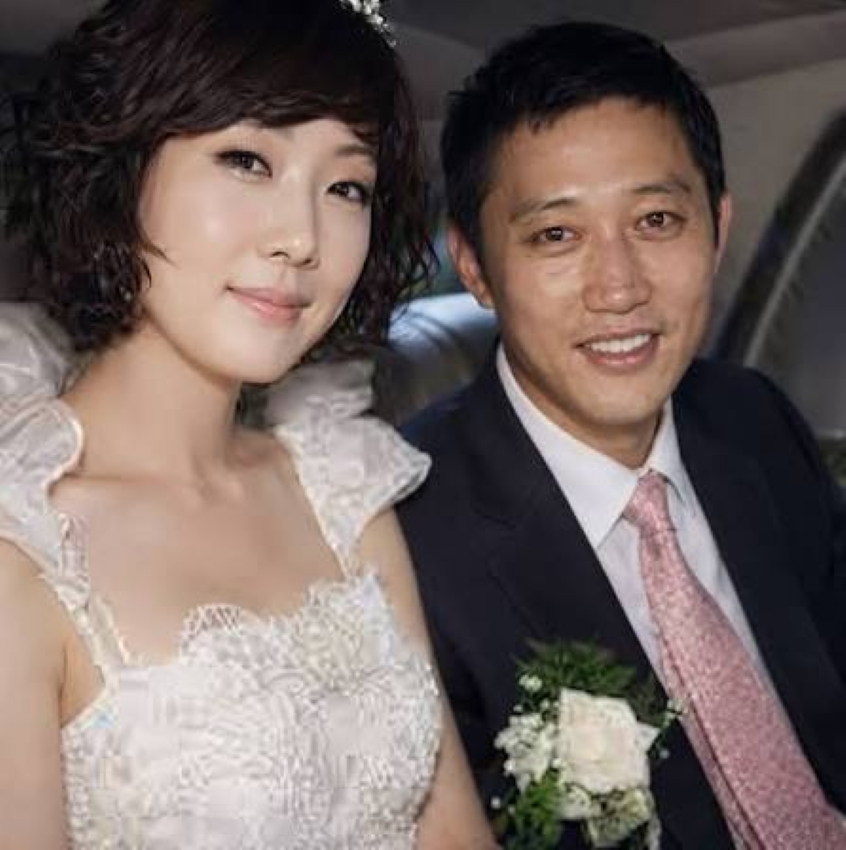
In February 2015, to celebrate their love and their miraculous recovery, the couple held their wedding, this time in full style at a local restaurant.
Their story inspired the film ‘Viva la Vida’, which premiered in China in 2024 and grossed 276 million yuan (about $38 million dollars).
Today, the couple is in excellent health and continues to live peacefully while running their flower shop.
 “During the infatuation phase, or the first phase of love, humans’ defenses against microorganisms increase because the expression of genes involved in the immune response is heightened.” This statement comes from Ignacio Camacho Arroyo, a professor in the School of Chemistry at UNAM (National University of Mexico), during his videoconference titled “The Biochemical Ingredients of Love.”
He adds: “If we’re in love and were to contract Covid, for example, we’re much more likely to be able to resist the virus.”
When a person is in love, chemical messengers that communicate with one another are produced in the brain and other glands. In biological terms, it’s concluded that love is a holistic phenomenon in which the entire organism participates.
Beyond any scientific or medical explanation, love heals and, in this case, gave this couple the opportunity to continue living and to bear witness to the fact that being together, supporting and caring for one another, is the body’s physical response to adversity.
Traducción del español: Catalina Oviedo Brugés